Master piano chords step-by-step. This beginner’s guide covers essential chords, easy playing techniques, and includes a printable piano chord chart—perfect for learning your favorite songs.
This beginner-friendly guide breaks down:
- What piano chords are (in plain English)
- How to play basic major and minor chords
- Simple tips to practice without overwhelm
- Plus, a free piano chord chart to keep by your keyboard
If you want to learn piano chords for beginners and start playing real songs faster, you’re in the right place.
What Are Piano Chords, Exactly?
A chord is simply two or more notes played at the same time. Most piano chords are triads—made up of three notes:
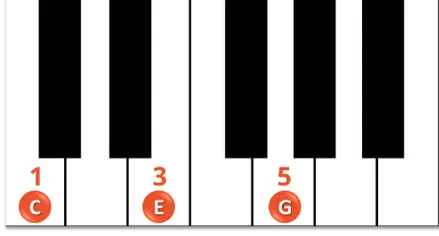
- A root note (the name of the chord)
- A third (major or minor)
- A fifth
For example:
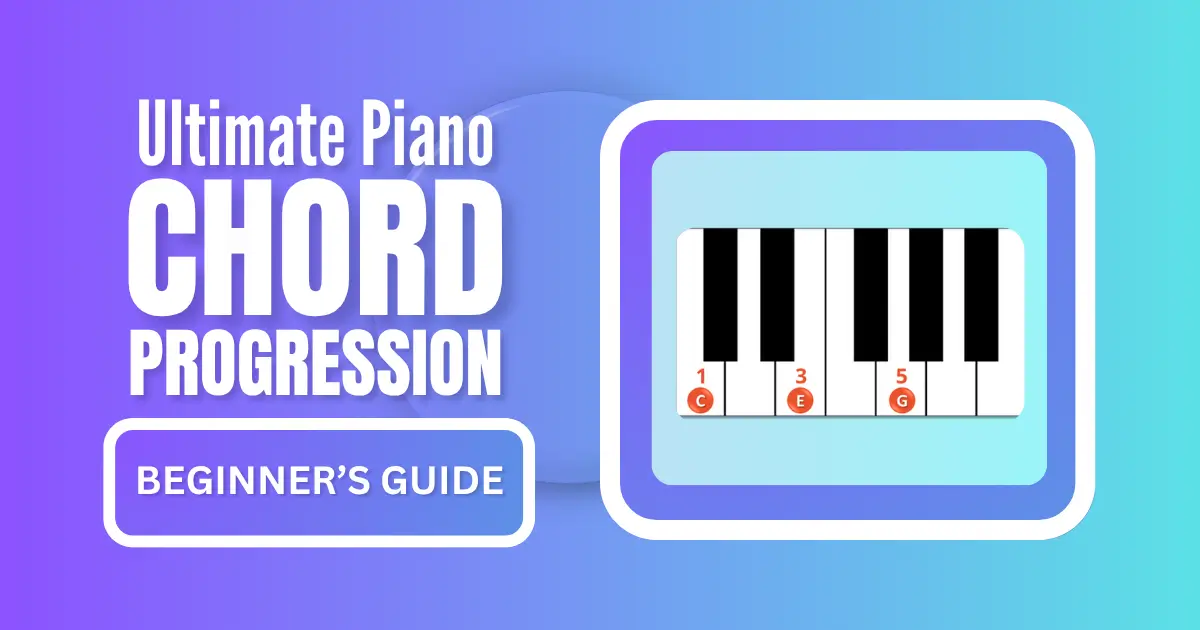
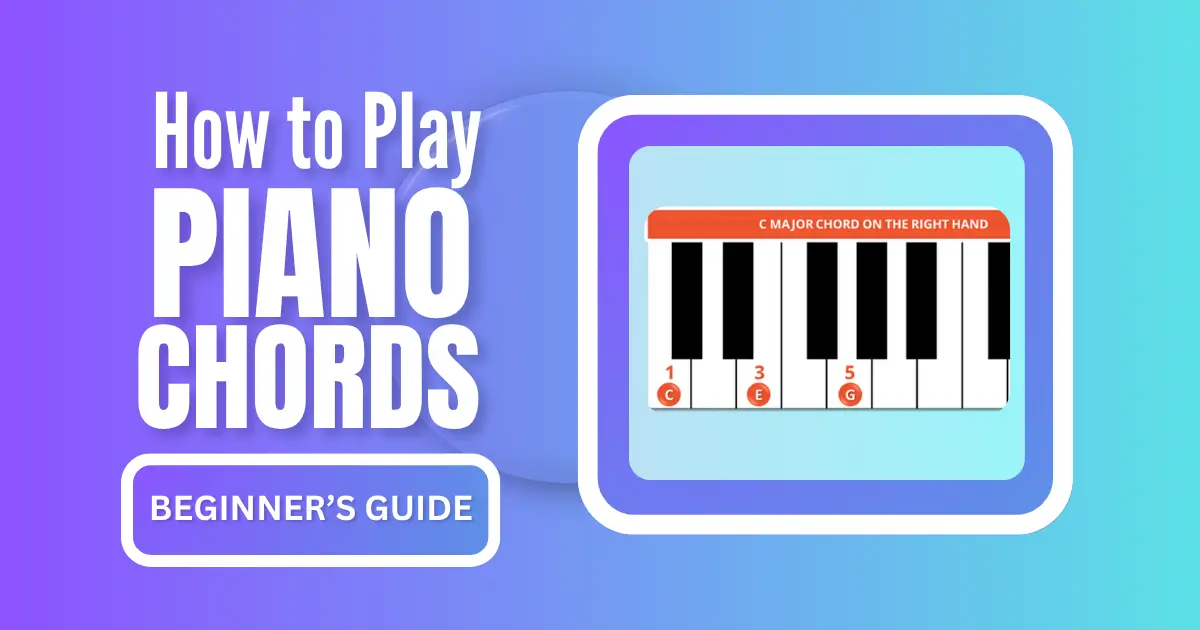
- C Major = C – E – G
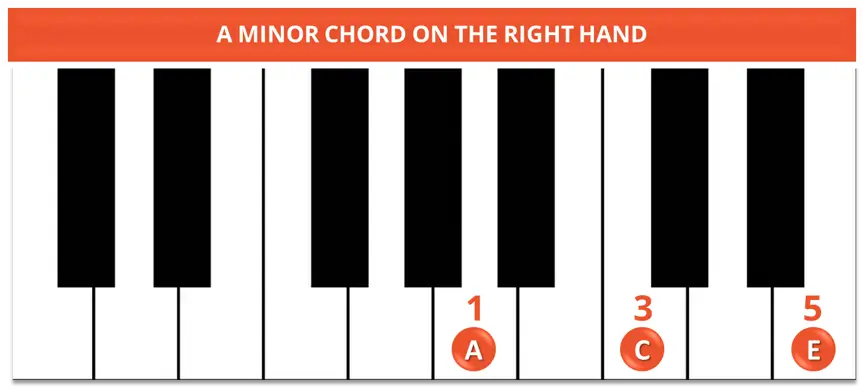
- A Minor = A – C – E
When you play these three notes together, you get a full, rich sound that forms the backbone of most songs.
fingering Numbers For Piano Chords
On the piano, fingering numbers help you know which finger to use when playing notes and chords. Pianists number their fingers from 1 to 5 on each hand:
- 1 = Thumb
- 2 = Index finger
- 3 = Middle finger
- 4 = Ring finger
- 5 = Little finger (pinky)
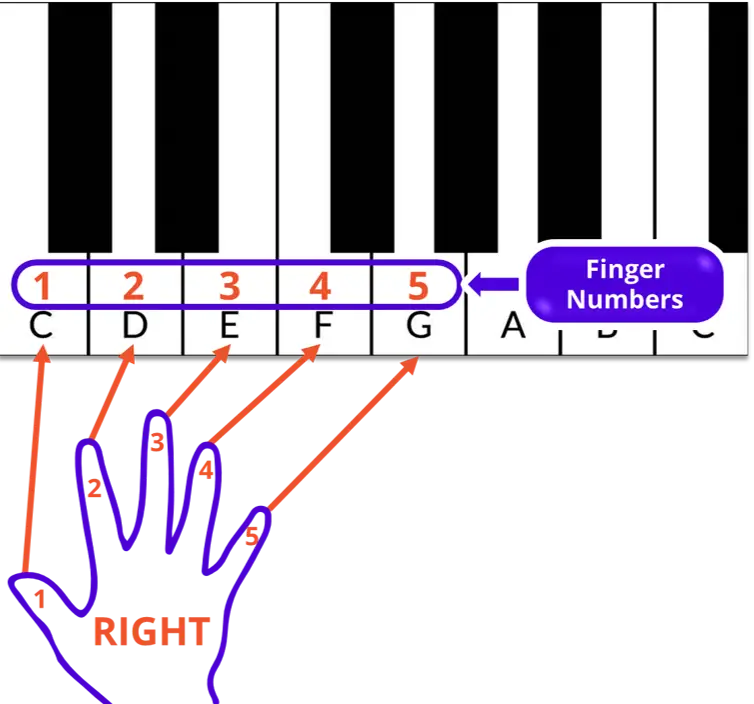
When playing chords, proper fingering makes it easier to move smoothly between shapes. For example:
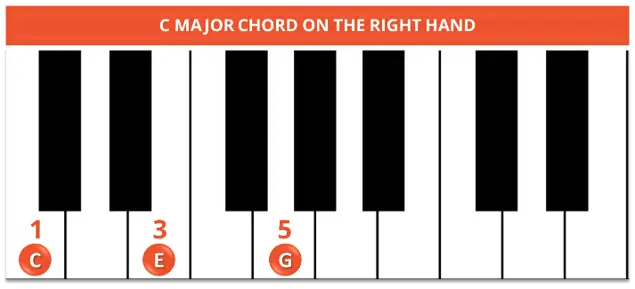
- C Major chord (C–E–G): Right hand uses 1–3–5, left hand uses 5–3–1.
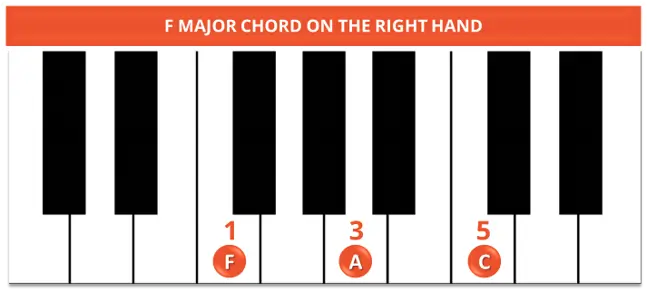
- F Major chord (F–A–C): Right hand uses 1–3–5, left hand uses 5–3–1.
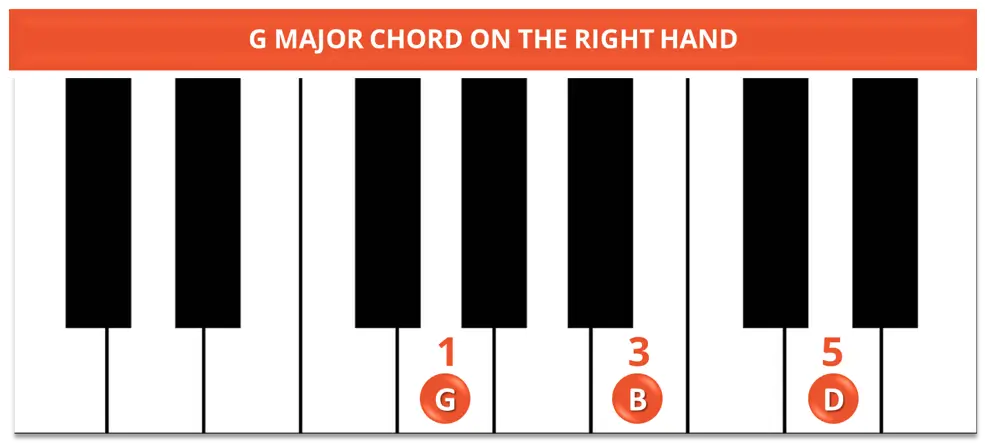
- G Major chord (G–B–D): Right hand uses 1–3–5, left hand uses 5–3–1.
For inversions or more complex chords, the fingering may change, but the goal is always comfort, smooth transitions, and efficiency. Beginners should practice slowly, focusing on consistent hand shape and relaxed movement.
How to Build Basic Piano Chords (The Easy Way)
Forget complicated theory. Use this simple formula to build chords from any note:
For a Major Chord:
- Start with the root note, let’s say Note C.
- Count 4 half steps from Note C and stop at Note E.
Note that you are counting both the white and black keys as half steps. - Count 3 more half steps from Note E and stop at Note G.
Example: C Major = C → E → G
For a Minor Chord:
- Start with the root note, let’s say Note A.
- Count 3 half steps from Note A and stop at Note E.
Note: Counting both the white and black keys as half steps. - Count 4 more half steps from Note C and stop at Note E.
Example: C Major = A → C → E
Beginner Piano Chord Chart
Here’s a list of essential beginner chords to get you started, all in the key of C:
| Chord | Notes | Type |
|---|---|---|
| C | C – E – G | Major |
| Dm | D – F – A | Minor |
| Em | E – G – B | Minor |
| F | F – A – C | Major |
| G | G – B – D | Major |
| Am | A – C – E | Minor |
| Bdim | B – D – F | Diminished |
👉 Want a printable version? Download the Piano Chord Chart PDF
Step-by-Step: How to Play Piano Chords
Practice Right-Hand Chords
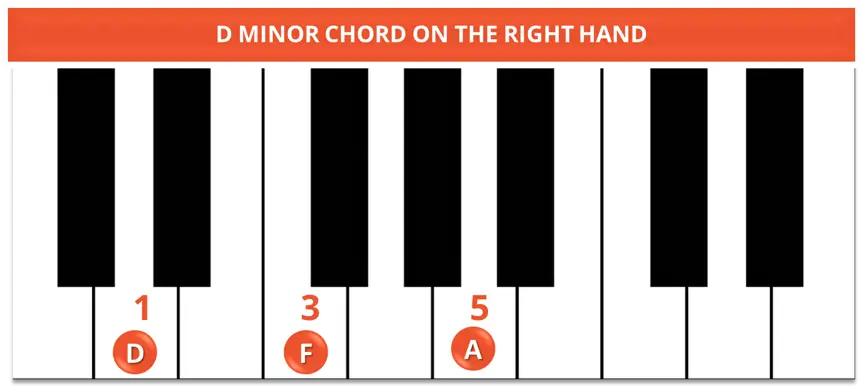
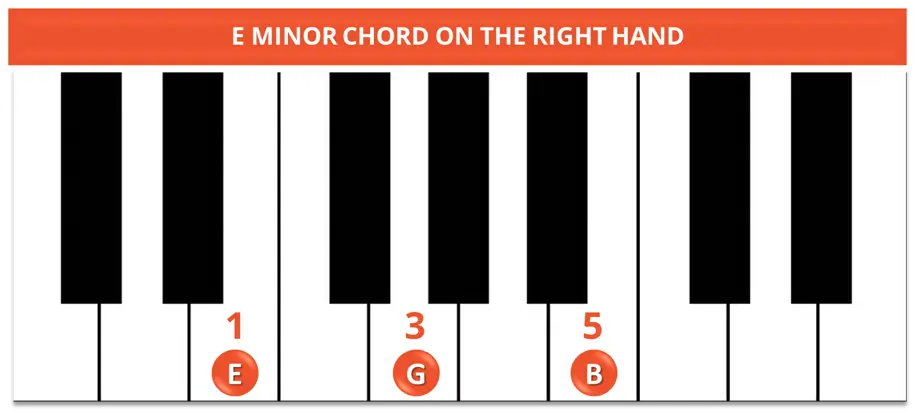
Start with your right hand, using fingers 1–3–5 (thumb, middle, pinky). Play the 3 notes of each chord simultaneously.
Try these beginner chords:
C Major (C–E–G)
G Major (G–B–D)
F Major (F–A–C)
A Minor (A–C–E)
D Minor (D-F-A)
E Minor (E-G-B)
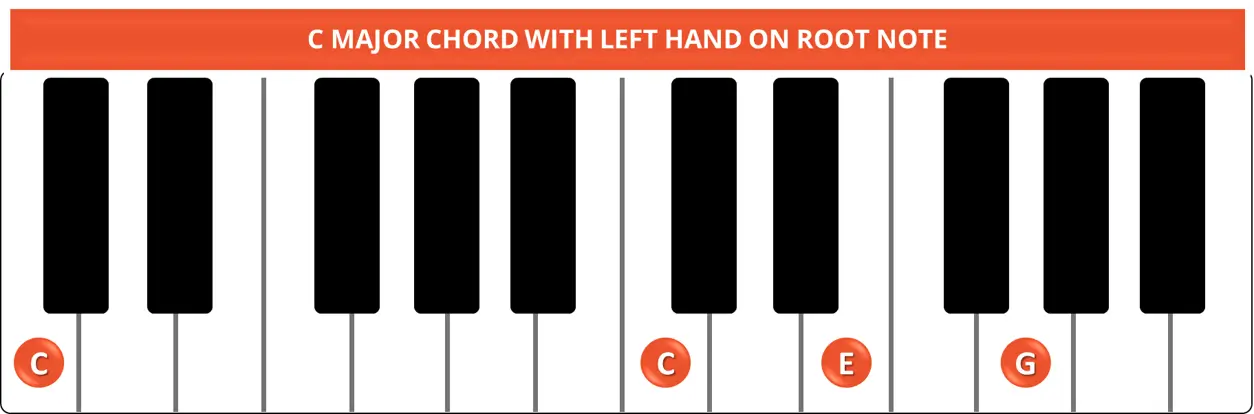
Add Left-Hand Root Notes
Use your left hand to play just the root note (the name of the chord).
Example:
- Right hand: C–E–G
- Left hand: C (single note, low octave)
This adds fullness and balance.
How to Invert Chords
A chord inversion happens when you change the order of the notes in a chord so that a different note is on the bottom. This simple shift can make chord progressions sound smoother, more interesting, and easier to play.
Let’s have a sneak pick into chord inversion.
Easy Steps to Invert a Chord
Step 1: Know Your Chord
Pick a chord. Let’s say C major = C – E – G
Step 2: Root Position
Play it normally: C (lowest) – E – G
Step 3: First Inversion
Take the lowest note (C) and move it up one octave.
New order: E (lowest) – G – C
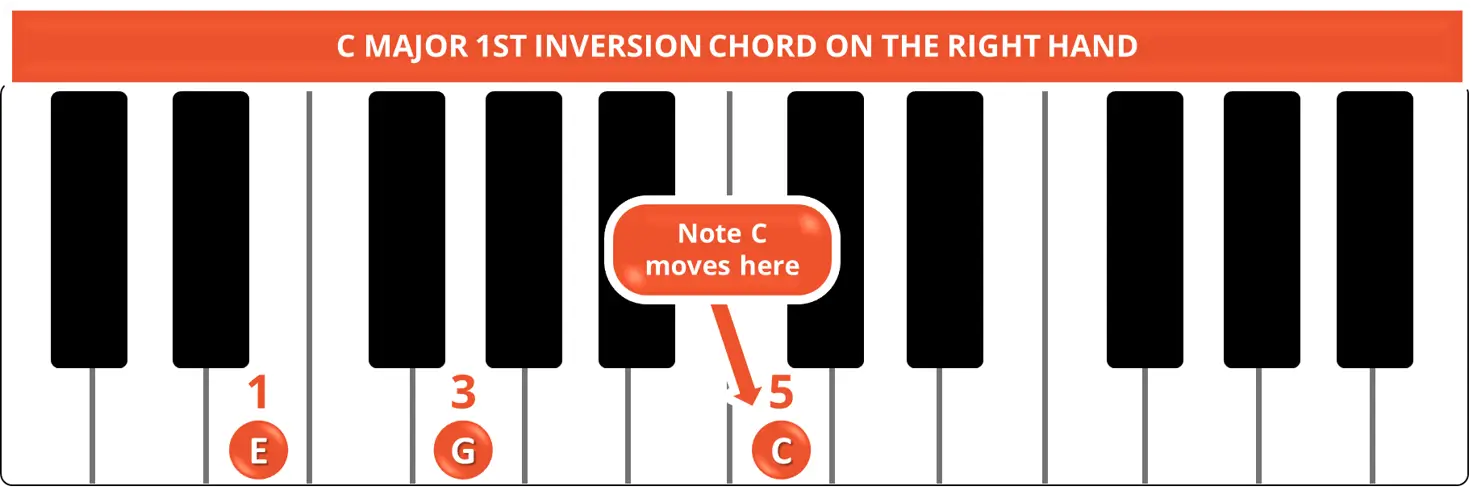
Tip: The chord is the same; only the bottom note changed.
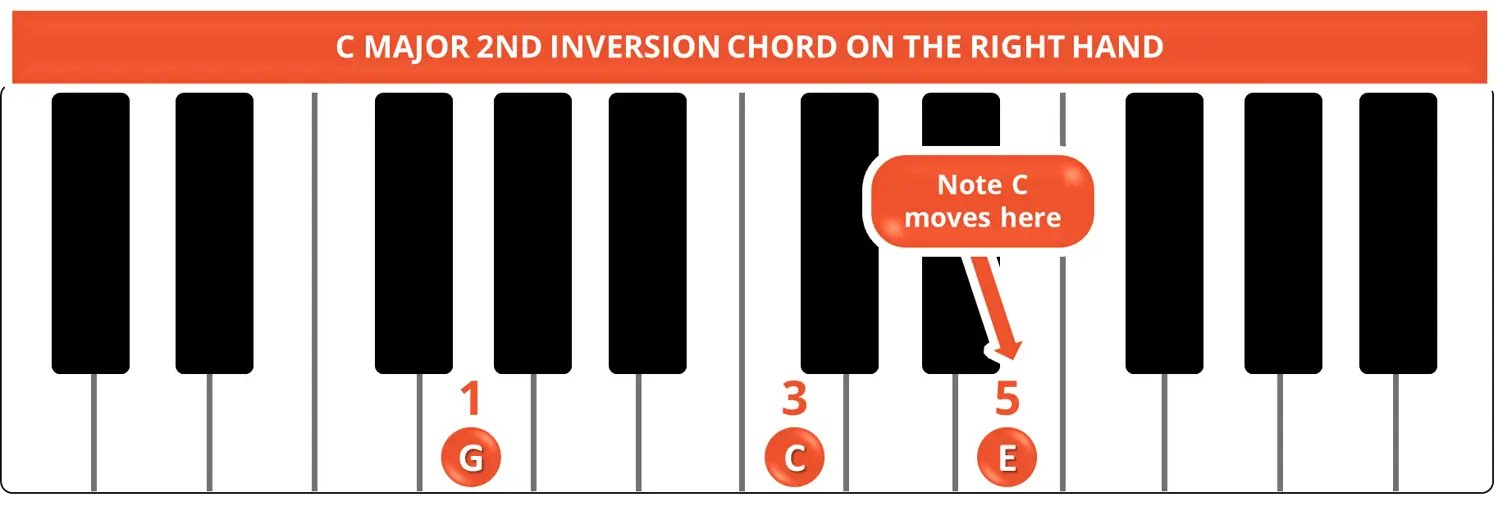
Step 4: Second Inversion
- Take the new lowest note (E) and move it up one octave.
- New order: G (lowest) – C – E
Step 5: Practice
- Repeat with other chords (F major, G major, etc.).
- Play slowly and listen to how each inversion changes the sound.
To learn about chord inversion in detail, check out the lesson below:
Easy 2-Chord Progressions
A chord progression is when you play one chord, then move to another one. It helps create the mood or emotion of a song.
Major Chord Progressions (Happy Sound)
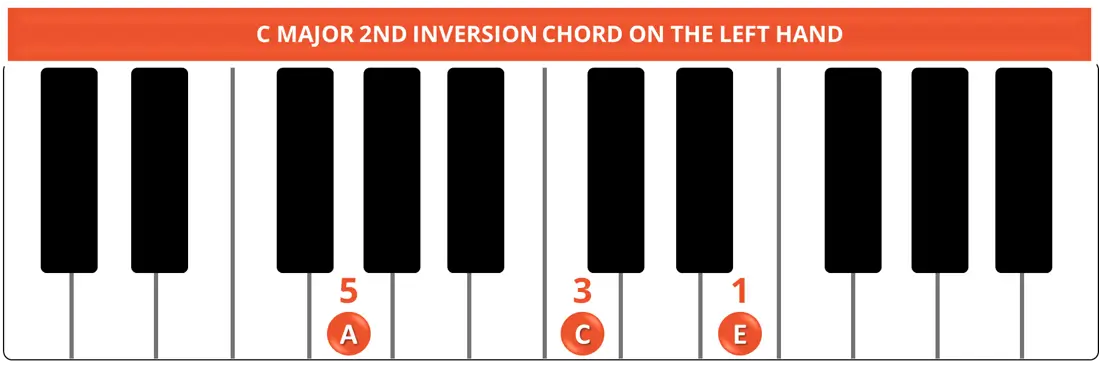
These use two major chords. They usually sound bright, happy, or strong. To make these chords sound nicer, we are going to use invert the chords. This makes the chord richer in harmony and also enables proper management of fingers.
1. C – G
Very common in pop songs.
Play:
- C major = G – C – E
- G major = G – B – D
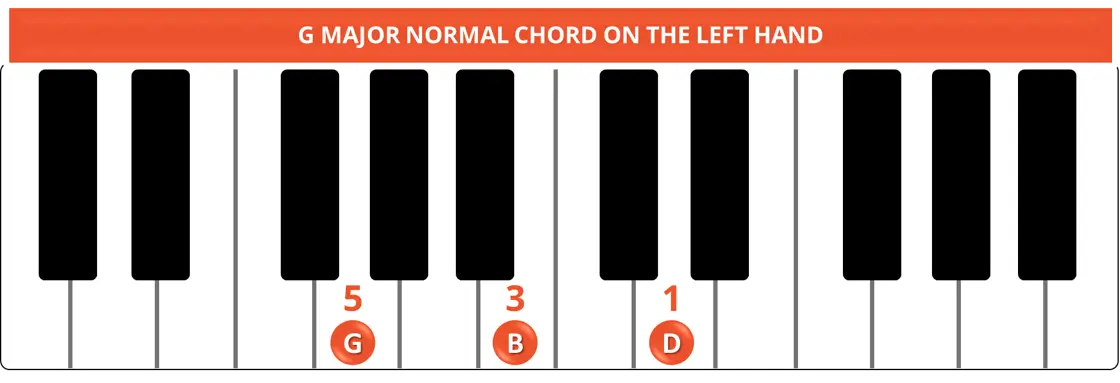
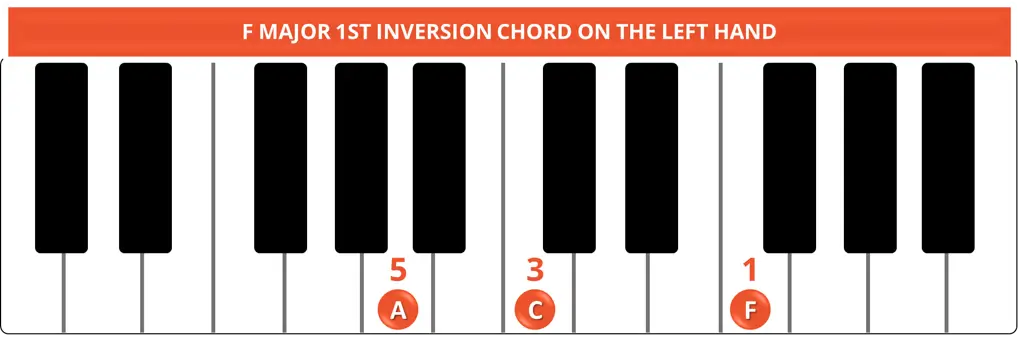
2. F – C
Calm and smooth.
Play:
- F major = A – C – F
- C major = G – C – E
3. D – A
Sounds powerful and energetic.
Play:
- D major = D – F# – A
- A major = A – C# – E
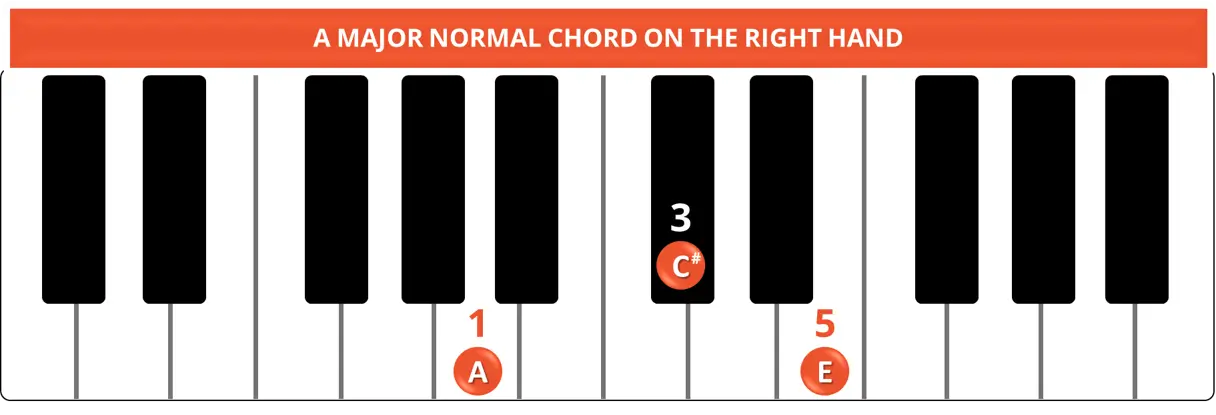
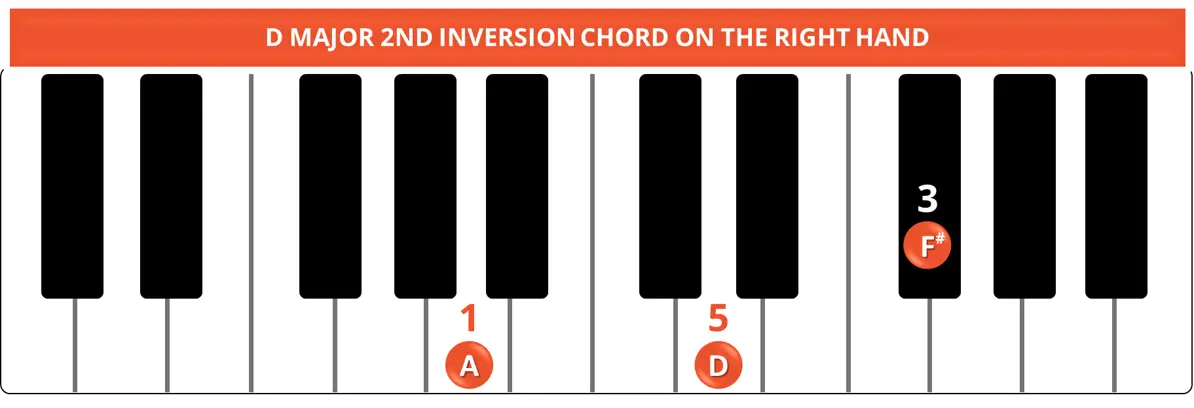
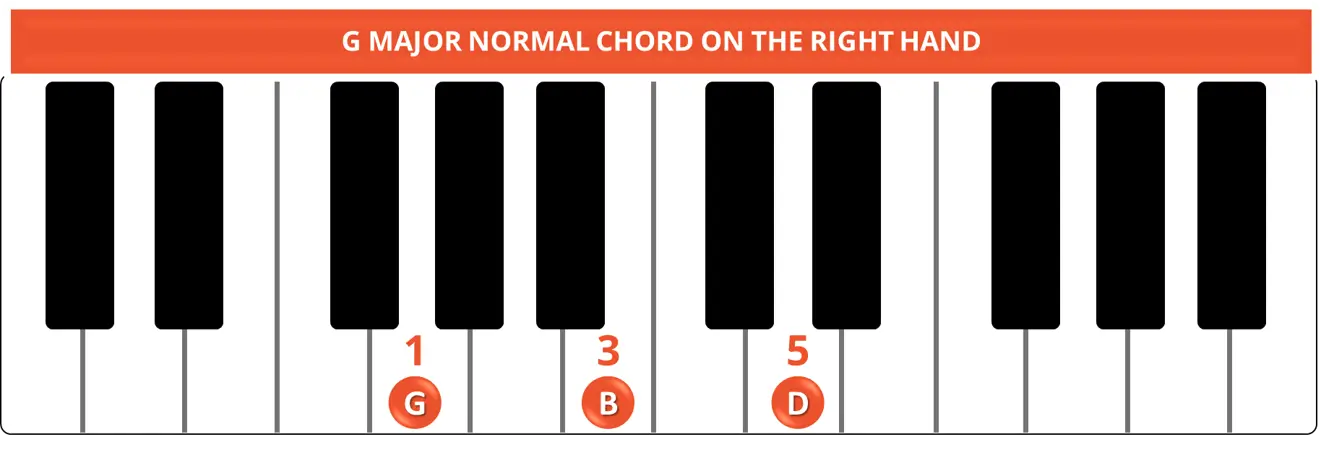
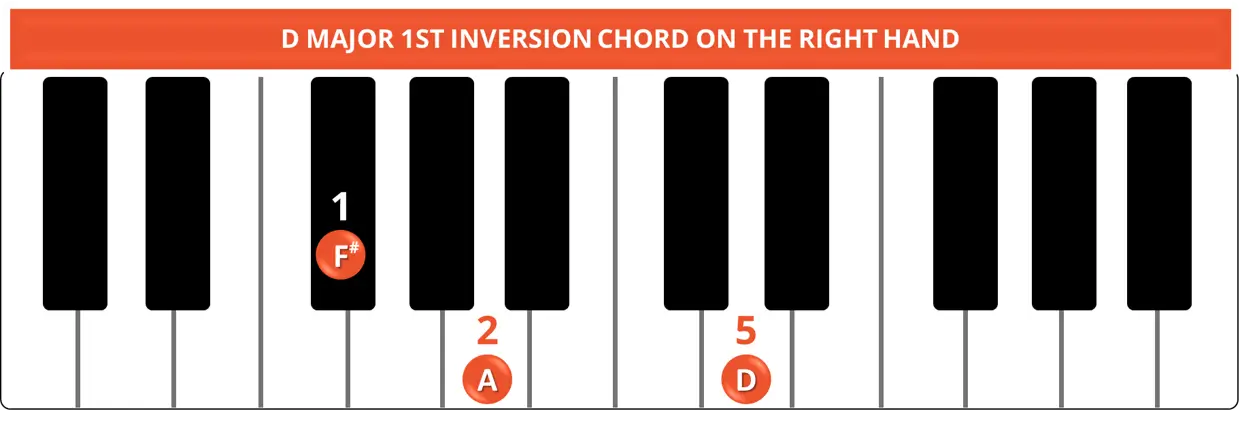
4. G – D
Sounds open and light.
Play:
- G major = G – B – D
- D major = D – F# – A
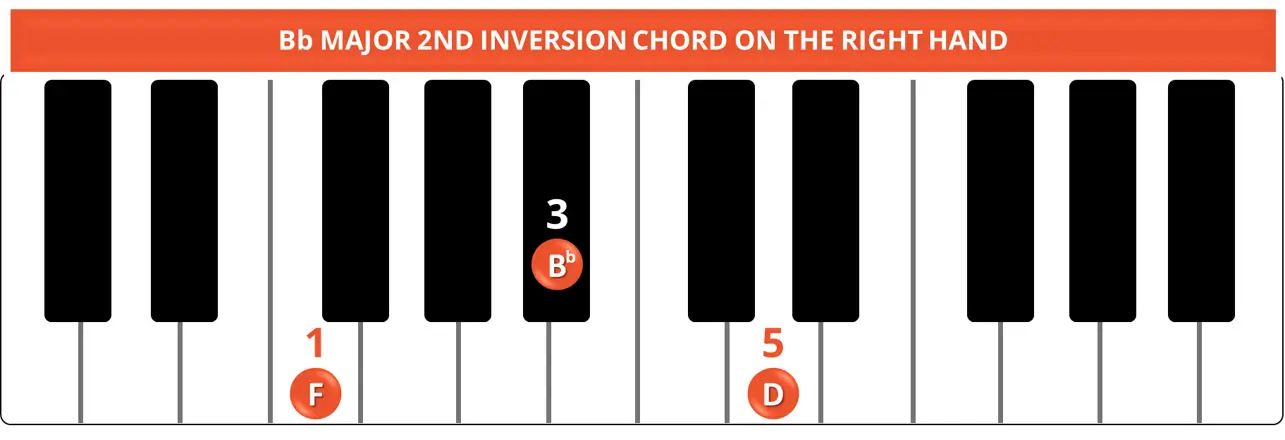
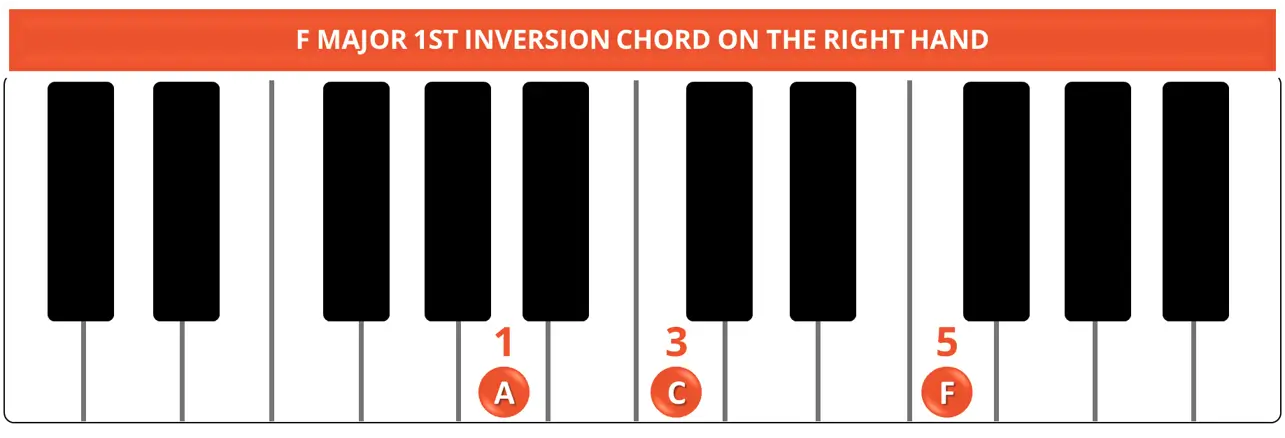
5. B♭ – F
Great for soul and gospel styles.
Play:
- B♭ major = F – B♭ – D
- F major = F – A – C
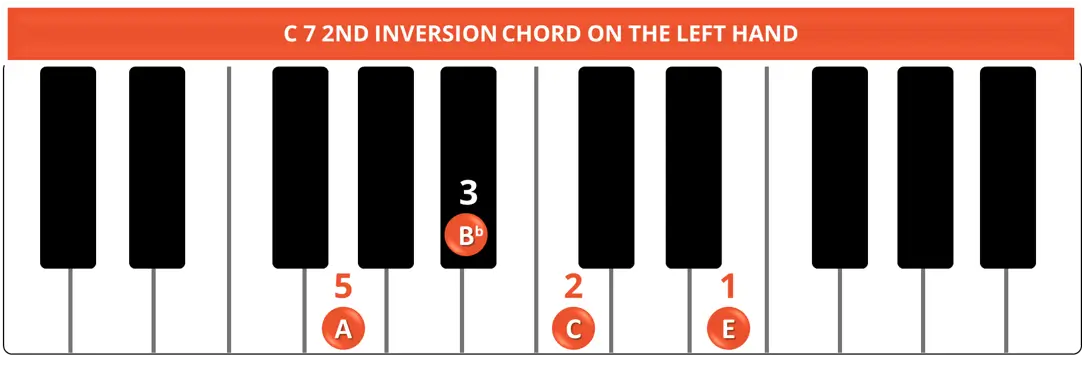
6. C – C7
Great for soul and gospel styles.
Play:
- C major = G – C – E
- C Dominant 7th = G – B♭ – C – E
Minor Chord Progressions (Sad or Emotional Sound)
These use minor chords, which sound a bit sad, soft, or dramatic.
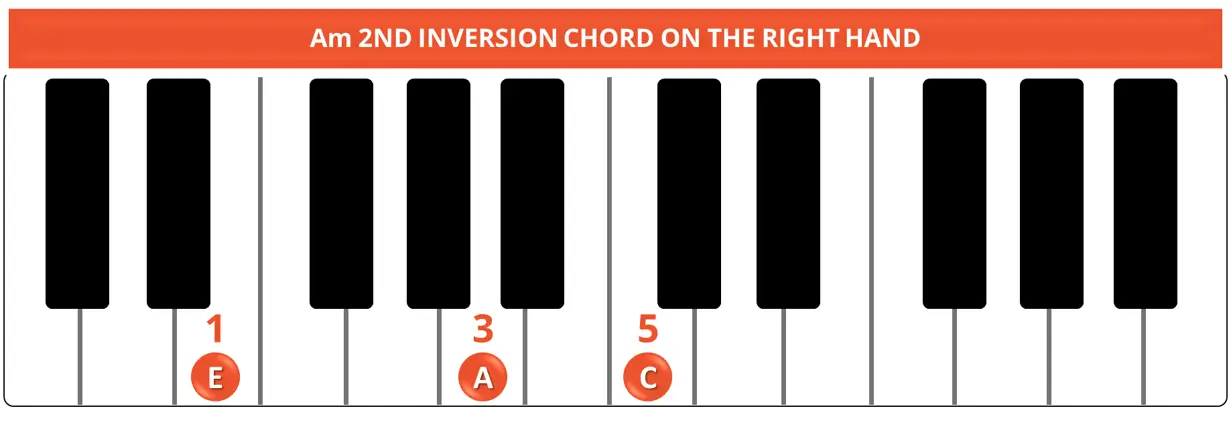
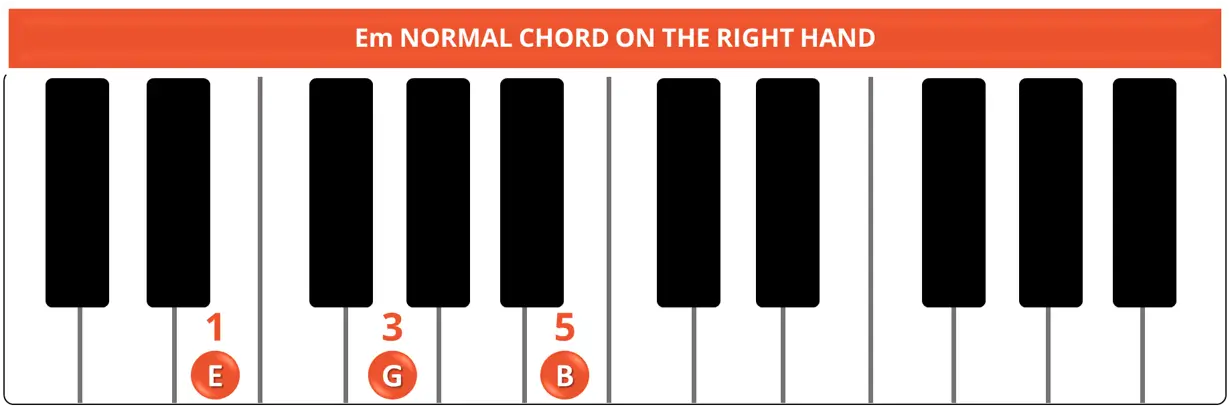
1. A minor – E minor
Easy to play and sounds smooth.
Play:
- A minor = E – A – C
- E minor = E – G – B
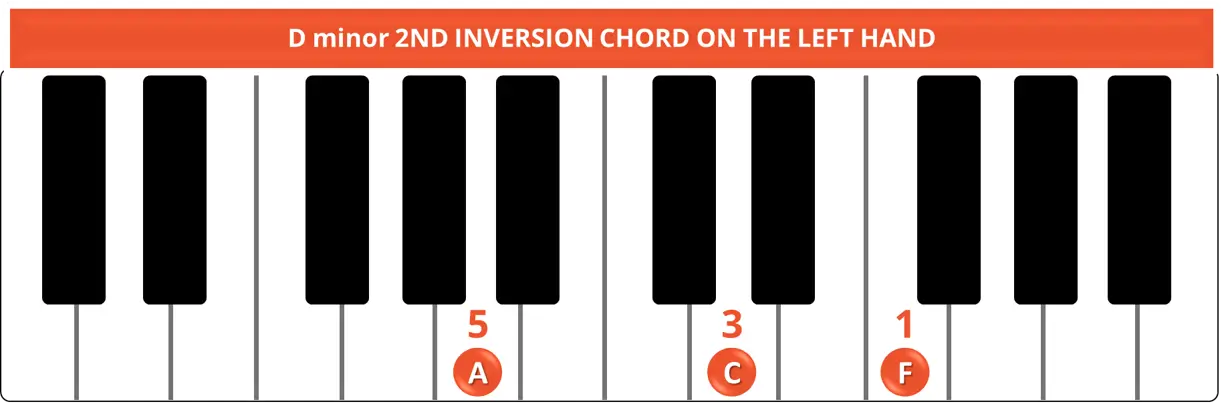
2. D minor – A minor
Sounds emotional and soft.
Play:
- D minor = A – D – F
- A minor = A – C – E
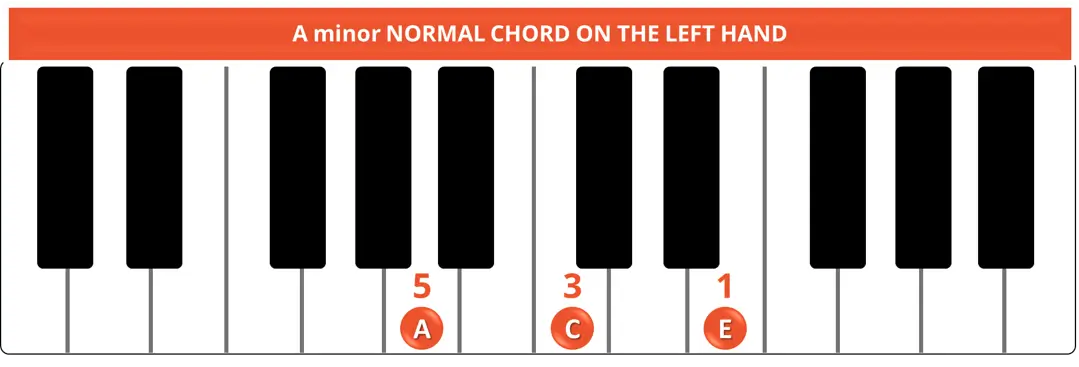
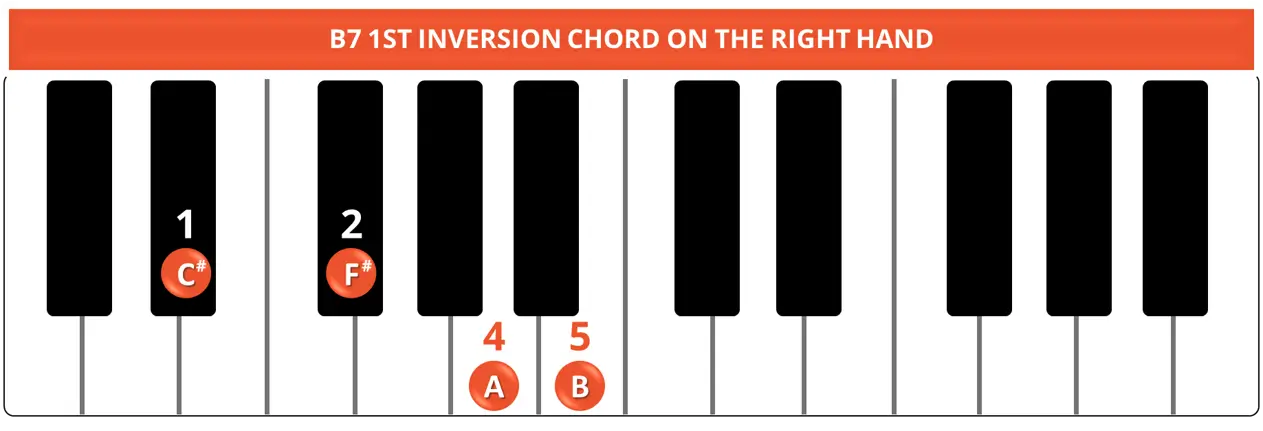
3. E minor – B7
Jazzy sound with tension.
Play:
- E minor = E – G – B
- B7 = D# – F# – A – B
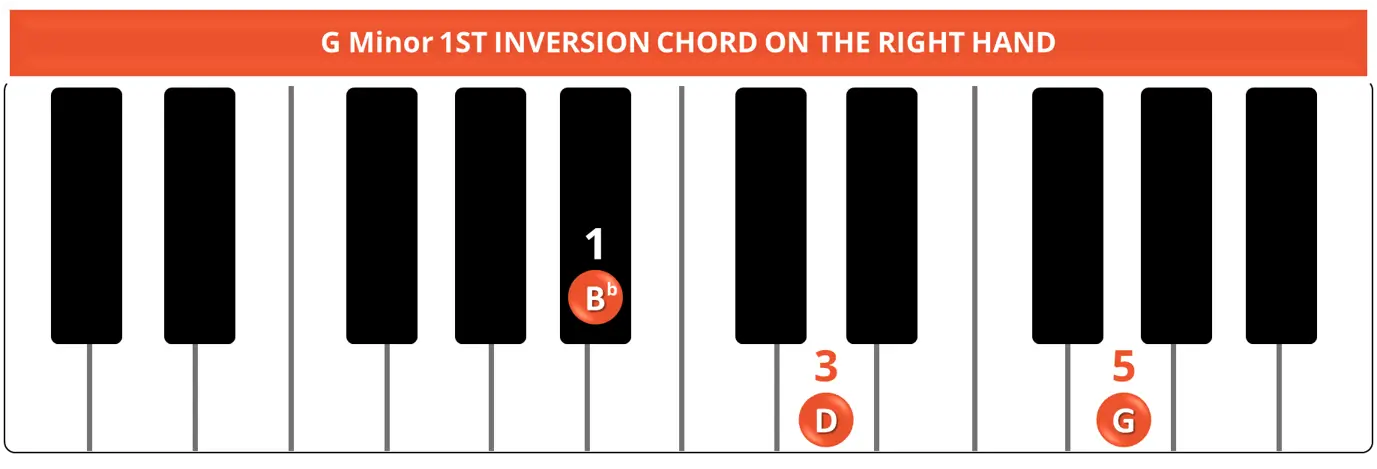
4. G minor – D minor
Used in movie music.
Play:
- G minor = B♭ – D – G
- D minor = A – D – F
5. B minor – F# minor
Sounds dramatic and serious.
Play:
B minor = B – D – F#
- B minor = B – D – F#
- F# minor = F# – A – C#
How to Practice Piano Chords Easily
- Step 1: Play each chord slowly with both hands.
(Left hand = root note, Right hand = full chord.) - Step 2: Switch between the two chords every 4 beats.
- Step 3: Repeat in a loop like a song.
- Tip: Use the sustain pedal to make it sound smoother.
easy 3-Chord Progressions
3-Chord Major Progressions
These progressions use three major chords. They’re used in pop, rock, gospel, and movie music. They sound bold, strong, and joyful!
1. C – F – G
Very common in pop and gospel.
Play:
- C major = C – E – G
- F major = F – A – C
- G major = G – B – D
2. G – C – D
Feels upbeat and energetic.
Play:
- G major = G – B – D
- C major = C – E – G
- D major = D – F# – A
3. F – B♭ – C
Smooth and soulful—great for ballads.
Play:
- F major = F – A – C
- B♭ major = B♭ – D – F
- C major = C – E – G
4. D – G – A
Used in many classic rock songs.
Play:
- D major = D – F# – A
- G major = G – B – D
- A major = A – C# – E
5. A – D – E
Bright and powerful. Great in praise songs.
Play:
- A major = A – C# – E
- D major = D – F# – A
- E major = E – G# – B
3-Chord Minor Progressions
These progressions use mostly minor chords, which sound emotional, gentle, or deep.
6. A minor – D minor – E
A moody classical-sounding combo.
Play:
- A minor = A – C – E
- D minor = D – F – A
- E major = E – G# – B
7. E minor – A minor – B7
Smooth with jazzy vibes.
Play:
- E minor = E – G – B
- A minor = A – C – E
- B7 = B – D# – F# – A
8. D minor – G minor – A
Emotional and dramatic.
Play:
- D minor = D – F – A
- G minor = G – B♭ – D
- A major = A – C# – E
9. B minor – E minor – F#
Serious and cinematic.
Play:
- B minor = B – D – F#
- E minor = E – G – B
- F# major = F# – A# – C#
10. C minor – F minor – G
Soft and thoughtful, yet powerful.
Play:
- C minor = C – E♭ – G
- F minor = F – A♭ – C
- G major = G – B – D
Basic Piano Chord Types
Major Piano Chords
Major chords have a bright, happy sound. They follow the formula: root + major third + perfect fifth.
| Chord | Notes |
|---|---|
| C | C–E–G |
| D | D–F♯–A |
| E | E–G♯–B |
| F | F–A–C |
| G | G–B–D |
| A | A–C♯–E |
| B | B–D♯–F♯ |
Minor Piano Chords
Minor chords sound more somber or introspective. They follow the formula: root + minor third + perfect fifth.
| Chord | Notes |
|---|---|
| Cm | C–E♭–G |
| Dm | D–F–A |
| Em | E–G–B |
| Fm | F–A♭–C |
| Gm | G–B♭–D |
| Am | A–C–E |
| Bm | B–D–F♯ |
Video Tutorial: Watch “Minor Piano Chords for Beginners” on Easy Piano Class.
Diminished Chords (Tense Sound)
They sound dark and unstable. Often used to create suspense.
To build a diminished chord, play:
- The starting note (called the root)
- Then skip 2 notes and play the third one
- Then skip 2 more notes and play the third one again
We call these steps a minor third and a diminished fifth.
Example: C Diminished
Let’s make a C diminished chord:
- Start on C
- Skip 2 notes (C# and D) → play E♭
- Skip 2 more notes (E and F) → play G♭
So C diminished = C – E♭ – G♭
Diminished Chords Table (Triads Only)
| Chord Name | Notes (Triad) | Formula | Explanation |
|---|---|---|---|
| C° (C dim) | C – E♭ – G♭ | Root + m3 + ♭5 | C minor triad with flattened 5th |
| C♯° / D♭° | C♯ – E – G | Root + m3 + ♭5 | Sounds tense or spooky |
| D° | D – F – A♭ | Root + m3 + ♭5 | Dark and dissonant feel |
| E♭° / D♯° | E♭ – G♭ – A | Root + m3 + ♭5 | Unstable and suspenseful |
| E° | E – G – B♭ | Root + m3 + ♭5 | Common in classical music |
| F° | F – A♭ – B | Root + m3 + ♭5 | Adds drama before resolving |
| F♯° / G♭° | F♯ – A – C | Root + m3 + ♭5 | Slightly brighter tension |
| G° | G – B♭ – D♭ | Root + m3 + ♭5 | Common leading chord |
| A♭° / G♯° | A♭ – B – D | Root + m3 + ♭5 | Often used in jazz |
| A° | A – C – E♭ | Root + m3 + ♭5 | Very expressive |
| B♭° | B♭ – D♭ – E | Root + m3 + ♭5 | Subtle tension |
| B° | B – D – F | Root + m3 + ♭5 | Resolves well to C major |
Quick Notes:
- “m3” = minor third (3 semitones above the root)
- “♭5” = diminished fifth (6 semitones above the root)
- Diminished chords sound tense, unstable, and need resolution, making them great for transitions in music.
- They’re often used in jazz, classical, and film music for color and suspense.
Suspended Chords
Suspended chords (also called sus chords) sound bright, open, or surprising.
They don’t feel finished — like they want to “go somewhere.”
There are two types:
- Sus2 (suspended 2nd)
- Sus4 (suspended 4th)
Both are made by changing the middle note of a normal major chord.
Sus2 Chord
- Use the 1st (root), 2nd, and 5th notes of the major scale.
- You replace the 3rd with the 2nd.
Example: C sus2
- Notes: C – D – G
- How to play:
- Left hand: Play C (root)
- Right hand: Play D and G
Sus4 Chord
- Use the 1st (root), 4th, and 5th notes of the major scale.
- You replace the 3rd with the 4th.
Example: C sus4
- Notes: C – F – G
- How to play:
- Left hand: Play C (root)
- Right hand: Play F and G
Easy Suspended Chord Examples
| Chord | Sus2 | Sus4 |
|---|---|---|
| C | C – D – G | C – F – G |
| D | D – E – A | D – G – A |
| E | E – F# – B | E – A – B |
| F | F – G – C | F – B♭ – C |
| G | G – A – D | G – C – D |
| A | A – B – E | A – D – E |
| B | B – C# – F# | B – E – F# |
Seventh Chords
A seventh chord is like a regular triad (3-note chord), but with one extra note added on top — the 7th note from the scale.
It gives music a richer, more emotional sound.
Seventh and extended chords add color and tension—essential in jazz, blues, and pop.
Major 7th Chord (maj7)
- Formula: 1 – 3 – 5 – 7
- Sounds smooth and dreamy.
Example: Cmaj7
Notes: C – E – G – B
Minor 7th Chord (m7)
- Formula: 1 – ♭3 – 5 – ♭7
- Sounds jazzy, soft, or moody.
Example: A minor 7 (Am7)
Notes: A – C – E – G
Dominant 7th Chord (7)
- Formula: 1 – 3 – 5 – ♭7
- Sounds strong and a bit bluesy.
Example: G7
Notes: G – B – D – F
Diminished 7th Chord (dim7)
- Formula: 1 – ♭3 – ♭5 – ♭♭7 (or 6)
- Sounds tense and spooky.
Example: Bdim7
Notes: B – D – F – A♭
Seventh Chords Table (Using C as Root)
| Chord Type | Formula | Example (C Root) | Notes |
|---|---|---|---|
| Major 7th (Cmaj7) | 1 – 3 – 5 – 7 | C – E – G – B | Smooth, jazzy, dreamy |
| Minor 7th (Cm7) | 1 – ♭3 – 5 – ♭7 | C – E♭ – G – B♭ | Soft, moody, relaxed |
| Dominant 7th (C7) | 1 – 3 – 5 – ♭7 | C – E – G – B♭ | Bright, bluesy |
| Diminished 7th (Cdim7) | 1 – ♭3 – ♭5 – ♭♭7 (6) | C – E♭ – G♭ – A | Tense, spooky |
| Half-Diminished (Cm7♭5) | 1 – ♭3 – ♭5 – ♭7 | C – E♭ – G♭ – B♭ | Dark, jazzy |
Augmented Chord
An augmented chord is a major chord with a raised (sharp) 5th.
Formula:
Root – Major 3rd – Augmented 5th (♯5)
How to Build One (Example with C):
C Major = C – E – G
C Augmented (C+ or Caug) = C – E – G♯
👉 Just take a major chord and raise the 5th note by a semitone.
Augmented Chords Table
| Chord Name | Notes |
|---|---|
| C+ | C – E – G♯ |
| D+ | D – F♯ – A♯ |
| E+ | E – G♯ – B♯ |
| F+ | F – A – C♯ |
| G+ | G – B – D♯ |
| A+ | A – C♯ – E♯ |
| B+ | B – D♯ – F𝄪 |
Note: Some chords use enharmonic notes like B♯ = C, E♯ = F, F𝄪 = G.
Printable Piano Chord Chart
Download your free, high-resolution piano chord chart PDF for quick reference during practice sessions:
📥 Download the Printable Piano Chord Chart
Filename: piano-chord-chart.pdf
Alt: printable piano chord chart PDF thumbnail
Practice Tips & Resources
- Video Library
- Join Easy Piano Class YouTube Channel for in-depth tutorials.
- Mobile Apps
- Piano Companion (iOS/Android) — interactive chord library.
- Chordify — upload songs and view live chord charts.
- Community
- Join Smart Kids Music Club YouTube channel for piano lessons.
Final Thoughts on Piano Chords
Piano chords help you make music that sounds full and fun. You’ve learned about major chords (happy), minor chords (sad), and some cool ones like sevenths, suspended, and diminished.
Start with easy chords like C major and A minor. Then, try mixing them to make your own songs!
Don’t worry if you make mistakes — that’s how we learn. Just keep practicing and have fun making music!
🎵 The more you play, the better you get!
FAQS OF PIANO CHORDS
What is a piano chord?
A piano chord is a group of two or more notes played together to create harmony. Most chords are built using intervals like thirds and fifths from a root note.
How do you build a basic piano chord?
Start with a major chord: play the root, major third, and perfect fifth.
👉 Example: C major = C – E – G
What are the most common piano chords?
Some popular chords every beginner should know include:
- C major (C–E–G)
- G major (G–B–D)
- A minor (A–C–E)
- F major (F–A–C)
These are used in thousands of songs across genres.
What is the difference between major and minor chords?
Major chords sound happy or bright, while minor chords sound sad or emotional. The only difference is the third note:
- Major = root + major third + fifth
- Minor = root + minor third + fifth
What is a chord progression?
A chord progression is a sequence of chords played in a specific order. It’s the backbone of most songs.
👉 Example: C – G – Am – F (a classic pop progression)
What does a “sus” chord mean?
“Sus” stands for suspended. A suspended chord replaces the third with a second (sus2) or fourth (sus4), creating a sense of tension.
👉 Csus4 = C – F – G
How many piano chords are there?
There are hundreds of possible chords when you include variations like major, minor, diminished, augmented, 7ths, 9ths, sus, and extended chords. But you can start by learning the 12 major and 12 minor chords.
What are 7th chords in piano?
A 7th chord adds the seventh note from the scale to a basic triad.
👉 C7 = C – E – G – B♭
These chords add color and are common in jazz, blues, and soul music.
How do I memorize piano chords fast?
Practice chord shapes, use chord charts, and group chords by families (like all the major chords). Repetition and playing songs help solidify them.
Is it better to learn chords or scales first?
You can learn both side by side. Chords help you play real music faster, while scales improve finger technique and understanding of music theory.
Can I play songs just using chords on piano?
Absolutely! Most pop, gospel, worship, and R&B songs use simple chord progressions. You can play the chords in your left hand and the melody or rhythm in your right.
What’s a chord inversion on piano?
An inversion means you rearrange the notes of a chord.
👉 C major root: C–E–G
👉 1st inversion: E–G–C
👉 2nd inversion: G–C–E
This helps with smoother transitions between chords.
What is a chord chart?
A chord chart shows the notes and finger positions for different piano chords. It’s a useful reference for beginners learning to play.
Do I need to read sheet music to play piano chords?
No! You can play chords using chord symbols (like G, Am, D7) even without reading traditional sheet music.
Are piano chords the same as guitar chords?
The names are the same (like C major or E minor), but the fingerings and layouts are different. Piano chords use keys, while guitar chords use frets and strings.